
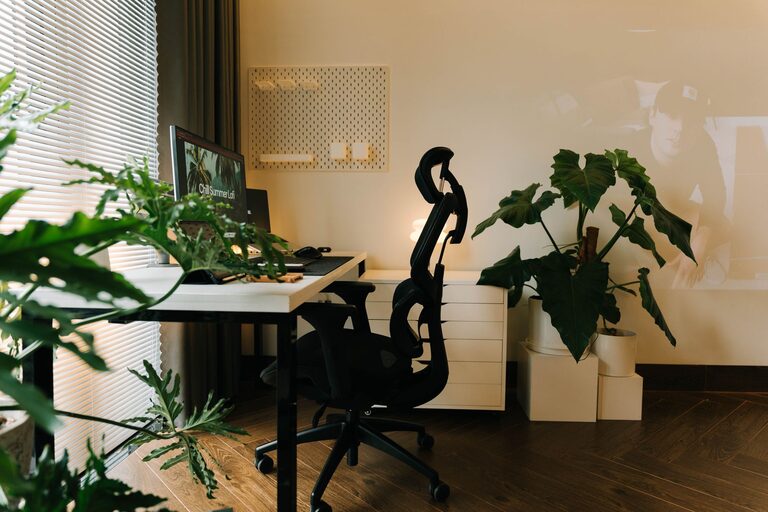
Tips for Creating a Relaxing Home Workspace to Boost Productivity and Comfort
Creating a relaxing home workspace is essential for maintaining both productivity and comfort, especially as more people work remotely or spend significant time on projects at home. A thoughtfully designed workspace can help reduce stress, improve focus, and support healthy work habits. This guide offers practical tips to help you create a calming and efficient home office environment.
Why a Relaxing Workspace Matters
A workspace that feels relaxing encourages you to stay organized and motivated. When your environment is cluttered or uncomfortable, it can distract you and lead to burnout. Conversely, a space that promotes calmness can enhance creativity and help you sustain attention for longer periods.
Choose the Right Location
Find a Quiet, Dedicated Space
Select a spot in your home that is away from household noise and distractions. Ideally, this should be a separate room or a corner that can be dedicated solely to work.
Consider Natural Light
Natural light positively impacts mood and alertness. Place your desk near a window if possible, but avoid glare on your computer screen. Use light curtains or blinds to control the brightness.
Invest in Comfortable Furniture
Ergonomic Desk and Chair
Choose a desk that suits your work style and a chair that supports good posture. Adjustable chairs with lumbar support help prevent back pain and fatigue.
Add Footrests or Cushions
If your feet don’t comfortably reach the floor, a footrest can improve circulation and posture. Cushions can add extra comfort for long sitting periods.
Organize Your Workspace Efficiently
Declutter Regularly
Keep only essential items on your desk. A clutter-free surface reduces visual distractions and helps you focus.
Use Storage Solutions
Shelves, drawers, and desk organizers keep supplies handy but out of the way. Label containers or drawers for easy access.
Cable Management
Use clips, ties, or cable sleeves to keep cords neat. This prevents tangled wires and keeps your workspace tidy.
Personalize with Calming Elements
Choose Soothing Colors
Soft, neutral colors like light blues, greens, or earth tones create a peaceful atmosphere. Avoid overly bright or harsh colors that can be stimulating.
Add Plants
Indoor plants improve air quality and bring a sense of calm. Low-maintenance plants like succulents or snake plants are great for home offices.
Incorporate Art or Inspirational Items
Hang artwork or photographs that inspire and relax you. Avoid cluttering your walls; a few well-chosen pieces work best.
Manage Lighting for Comfort and Focus
Use Layered Lighting
Combine natural light with task lighting and ambient light. A desk lamp with adjustable brightness can reduce eye strain during evening work.
Choose Warm Light Bulbs
Warm or soft white bulbs create a cozy environment, making it easier to relax while working.
Maintain Good Air Quality and Temperature
Ventilate Regularly
Fresh air helps you stay alert and reduces stuffiness. Open windows when possible or use an air purifier to improve air quality.
Control Temperature
Maintain a comfortable room temperature, typically between 68-72°F. Use fans or heaters as needed to create a pleasant working climate.
Create a Routine That Supports Relaxation
Set Boundaries
Define clear work hours to separate professional time from personal life. Inform family members or housemates to minimize interruptions.
Take Regular Breaks
Short breaks every hour to stretch, hydrate, or walk around can prevent fatigue and help you recharge.
Practice Desk Exercises
Simple stretches and movements at your desk can reduce tension and improve circulation.
Limit Digital Distractions
Use Technology Wisely
Turn off unnecessary notifications and use apps that block distracting websites during work periods.
Keep Devices Organized
Store devices not in use out of sight to reduce temptation.
Add Sound Elements for Calm
Play Soft Background Music
Instrumental music, nature sounds, or white noise can create a relaxing ambiance conducive to concentration.
Use Noise-Canceling Headphones
If noise is unavoidable, headphones can help block distractions and improve focus.
Final Thoughts
Setting up a relaxing home workspace doesn’t require major renovations or expensive equipment. Small changes focused on comfort, organization, and calm aesthetics can make a big difference in your productivity and well-being. Experiment with these tips and adjust your space to fit your personal work style and needs. Over time, you’ll find yourself more focused, comfortable, and ready to tackle your tasks with less stress.
