Tips for Creating a Relaxing Home Office to Boost Productivity and Comfort
Creating a relaxing home office environment is key to maintaining productivity and comfort throughout the workday. Whether you work remotely full-time or occasionally from home, the right setup can reduce stress and boost your focus. In this post, we’ll explore practical tips to help you design a calming workspace tailored to your needs.
Choose a Quiet, Dedicated Space
One of the first steps to creating a relaxing office is selecting the right location. Try to reserve a spot in your home that minimizes distractions. This could be a spare room, a corner of your bedroom, or a nook near a window. A dedicated workspace helps your brain associate that area with focus and work, which can enhance productivity.
Consider Noise Levels
If your home tends to be noisy, look for quieter areas away from foot traffic or appliances. Using noise-cancelling headphones or playing soft background music can help drown out distractions if a perfectly quiet spot isn’t possible.
Prioritize Comfortable and Supportive Furniture
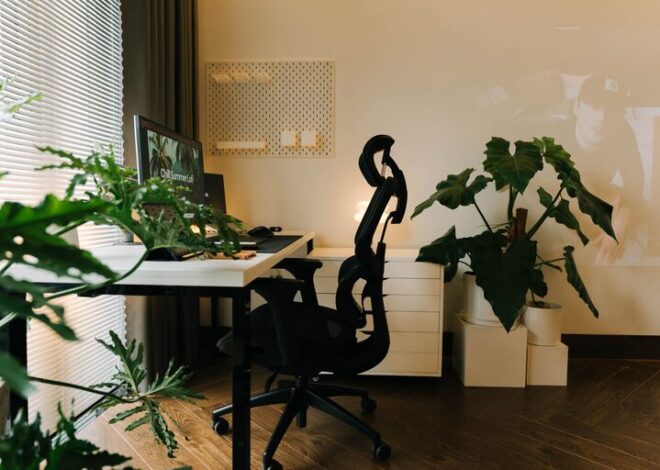
Comfort is essential when you spend hours at your desk. Invest in an ergonomic chair that supports your back and encourages good posture. An adjustable desk can also be beneficial if you want to alternate between sitting and standing.
Desk Setup Tips
– Ensure your desk height allows your elbows to rest comfortably at a 90-degree angle.
– Position your computer screen at eye level to avoid neck strain.
– Keep frequently used items within easy reach to reduce unnecessary movement.
Maximize Natural Light and Add Soft Lighting
Natural light has been shown to improve mood and energy levels. Place your desk near a window if possible to benefit from daylight. However, be mindful of screen glare and use curtains or blinds to control brightness.
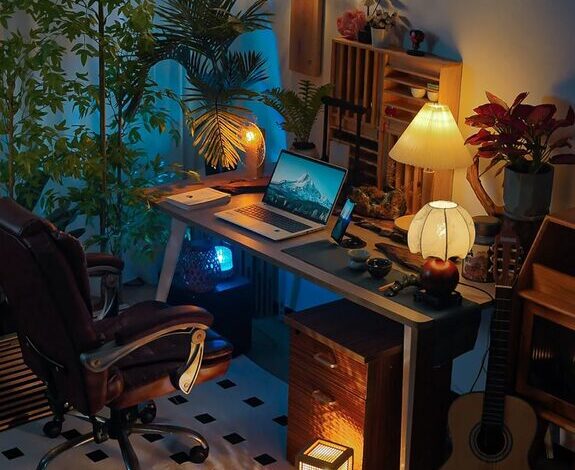
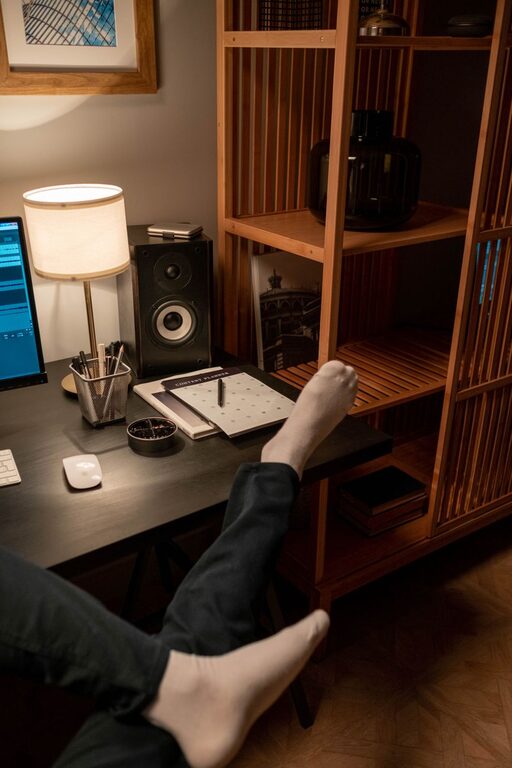
For evening work or on cloudy days, supplement natural light with warm, soft lighting. Desk lamps with adjustable brightness settings can create a soothing atmosphere that reduces eye strain.
Organize Your Space to Reduce Clutter
A clutter-free workspace helps clear your mind and reduce stress. Use organizers, shelves, or filing cabinets to keep documents and supplies tidy. Regularly declutter your desk and digital files to maintain an orderly environment.
Helpful Organizational Tools
– Desk trays or drawer organizers to separate smaller items
– Cable management solutions to keep cords neat
– Labelled storage bins to quickly find what you need
Incorporate Calming Colors and Personal Touches
The colors in your office can influence your mood. Soft, neutral tones like light blues, greens, or warm grays tend to be calming. You can use these colors on walls, furniture, or accessories.
Adding personal touches can also make your workspace more inviting. Consider:
– Framed photos or inspiring artwork
– A small plant for a touch of nature
– A cozy throw or cushion for added comfort
Use Scents and Sounds to Enhance Relaxation
Aromatherapy can create a peaceful atmosphere. Scents like lavender, chamomile, or eucalyptus are known for their relaxing properties. Use essential oils, candles, or diffusers safely to add subtle fragrance.
Sound machines or apps with nature sounds (rain, ocean waves, birdsong) can further improve focus and calmness. Experiment with what works best for you.
Take Regular Breaks and Move Around
Even the best home office can become uncomfortable without breaks. Schedule short pauses every hour to stand, stretch, and rest your eyes. Movement increases blood flow and keeps energy levels up.
Consider setting reminders or using productivity techniques like the Pomodoro method, which breaks work into focused intervals with breaks in between.
Keep Technology Efficient and Up to Date
Slow or unreliable technology can cause frustration and reduce motivation. Keep your computer, internet connection, and work-related tools in good working order. Regularly update software and clear out unused applications to maintain speed.
Maintain a Healthy Temperature and Air Quality
Your comfort also depends on the room temperature and air quality. Aim for a temperature that feels comfortable—not too hot or cold. Use fans, heaters, or air purifiers as needed to keep the environment pleasant and breathable.
Final Thoughts
Building a relaxing home office is about combining comfort, organization, and personal touches to create a space where you can focus and feel at ease. By choosing a quiet location, optimizing lighting, managing clutter, and paying attention to ergonomics, you can turn your home workspace into a productivity-boosting haven.
Start with small changes and adapt your office over time based on what helps you feel most comfortable and motivated. Your workday will thank you!